
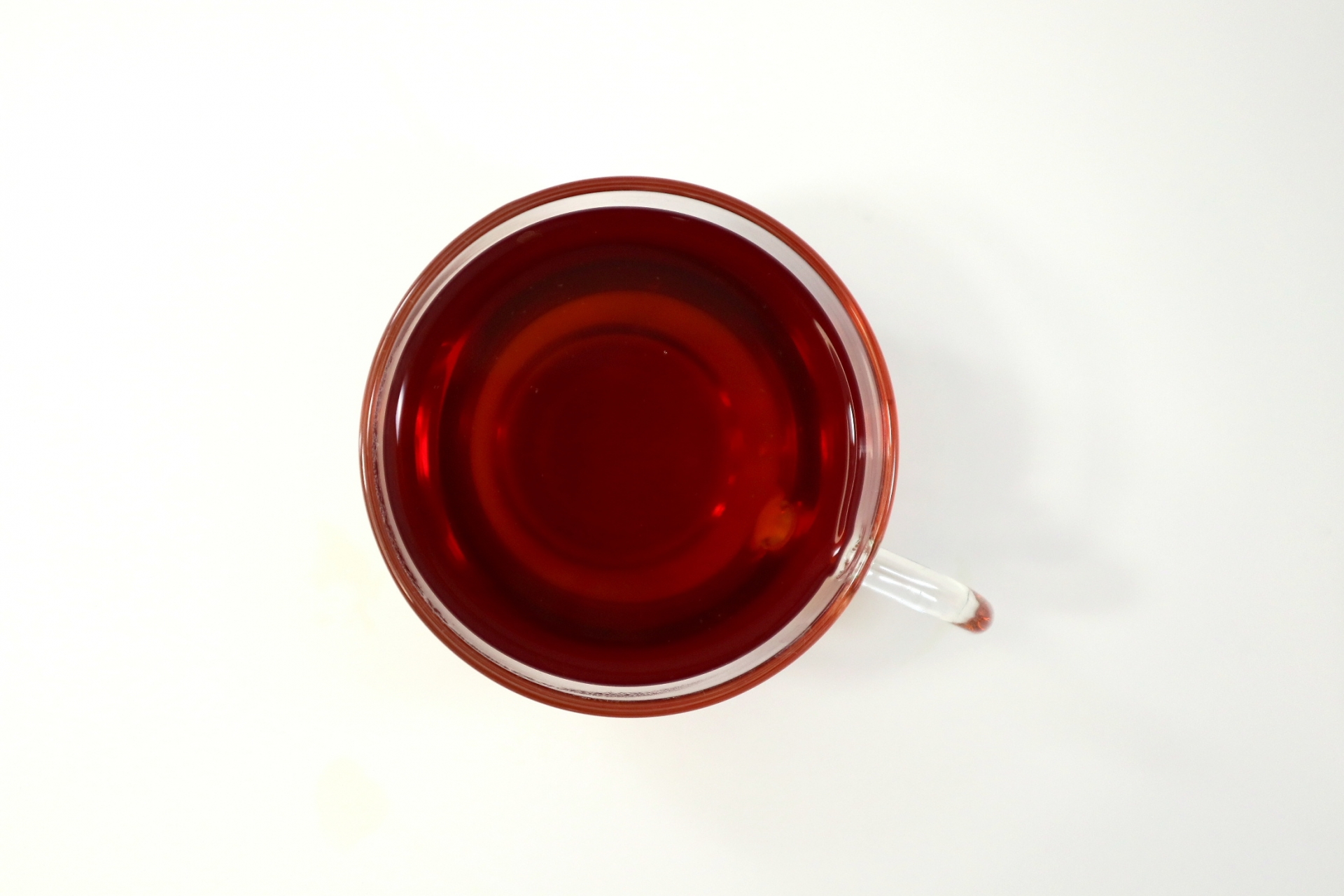
What is Kakegawa Japanese Black Tea ?

Kakegawa Wakocha is a type of Japanese black tea produced in Kakegawa City, Shizuoka Prefecture. It is characterized by its low astringency and mild, gentle sweetness.
While Kakegawa City is famous for its deep-steamed green tea, in recent years it has also focused on the production of Japanese black tea,
offering a delicate flavor unique to Japan and distinct from overseas black teas.
It produces a vibrant red color.

The red color of Japanese black tea is due to theaflavin, a component formed when catechins undergo oxidative polymerization during the fermentation process.
The more theaflavin present, the more vibrant the red color of the tea becomes. The color of the tea also varies depending on the variety of Japanese black tea;
varieties such as Benifuki tend to exhibit a deeper red color than green tea varieties.
Features

Characteristics of Kakegawa Japanese Black Tea

The variety most commonly used is "Benifuki," which was developed in Japan specifically for black tea production 

Flavor:
It has little astringency and is characterized by a mild and gentle sweetness.

Manufacturing method:
Utilizing the techniques of deep-steamed tea, it is finished with exquisite roasting.

How to drink:
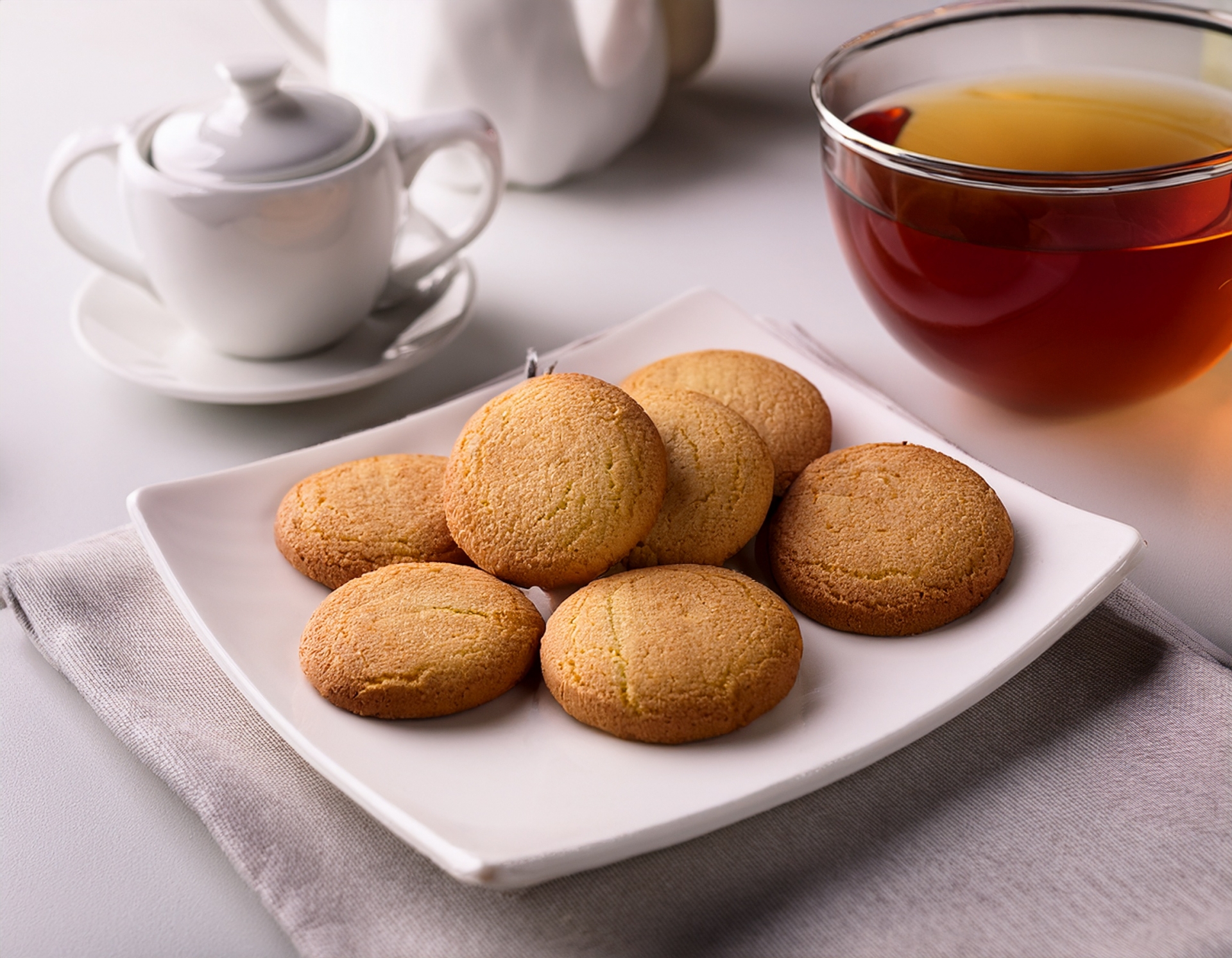
It is recommended to drink it straight, but it is also delicious with milk or lemon added.

Other: Some studies suggest that tea made from the Benifuki variety contains abundant methylated catechins, which are expected to be effective against allergic rhinitis and hay fever

Kakegawa Japanese black tea has been gaining popularity in recent years due to its unique flavor. Drinking it straight allows you to fully appreciate the tea leaves' natural sweetness and aroma. It
also pairs well with Japanese cuisine and can be enjoyed with various sweets.

PR/This site uses an affiliate program


What is Benifuki ?

Benifuki is a tea variety created by crossing Benihomare (an Assam-type seedling selection) and Makura Cd86 (a native Darjeeling variety). It was developed for use as black tea and semi-fermented tea.
A major characteristic of Benifuki tea is its high content of methylated catechins, which are expected to have anti-allergic effects.
In addition, it is attracting attention as a highly safe agricultural product due to its vigorous growth, high yield, and resistance to diseases.

Main characteristics of Benifuki:

Rich in methylated catechins:
According to the National Agriculture and Food Research Organization, Benifuki tea contains a large amount of "methylated catechins," in which methyl groups are attached to some of the catechins. It has been found that these methylated catechins have an effect of alleviating the discomfort of hay fever and allergic rhinitis.

Anti-allergic effect:
Methylated catechins are said to suppress the activity of histamine and IgE antibodies, which cause allergic reactions, and thus alleviate allergy symptoms.

Easy to cultivate:
Benifuki is resistant to diseases and reduces the need for pesticides, making it a highly safe agricultural product that is attracting attention.

High yield:
The plants are vigorous and produce high yields, especially in warmer regions where 2200-3000 kg/10a of fresh leaves can be harvested.

High safety:
It is considered highly safe because it is resistant to diseases and allows for reduced use of pesticides.

Easy to drink:
It has less astringency and bitterness than regular green tea, making it easy to drink.

PAGE TOP