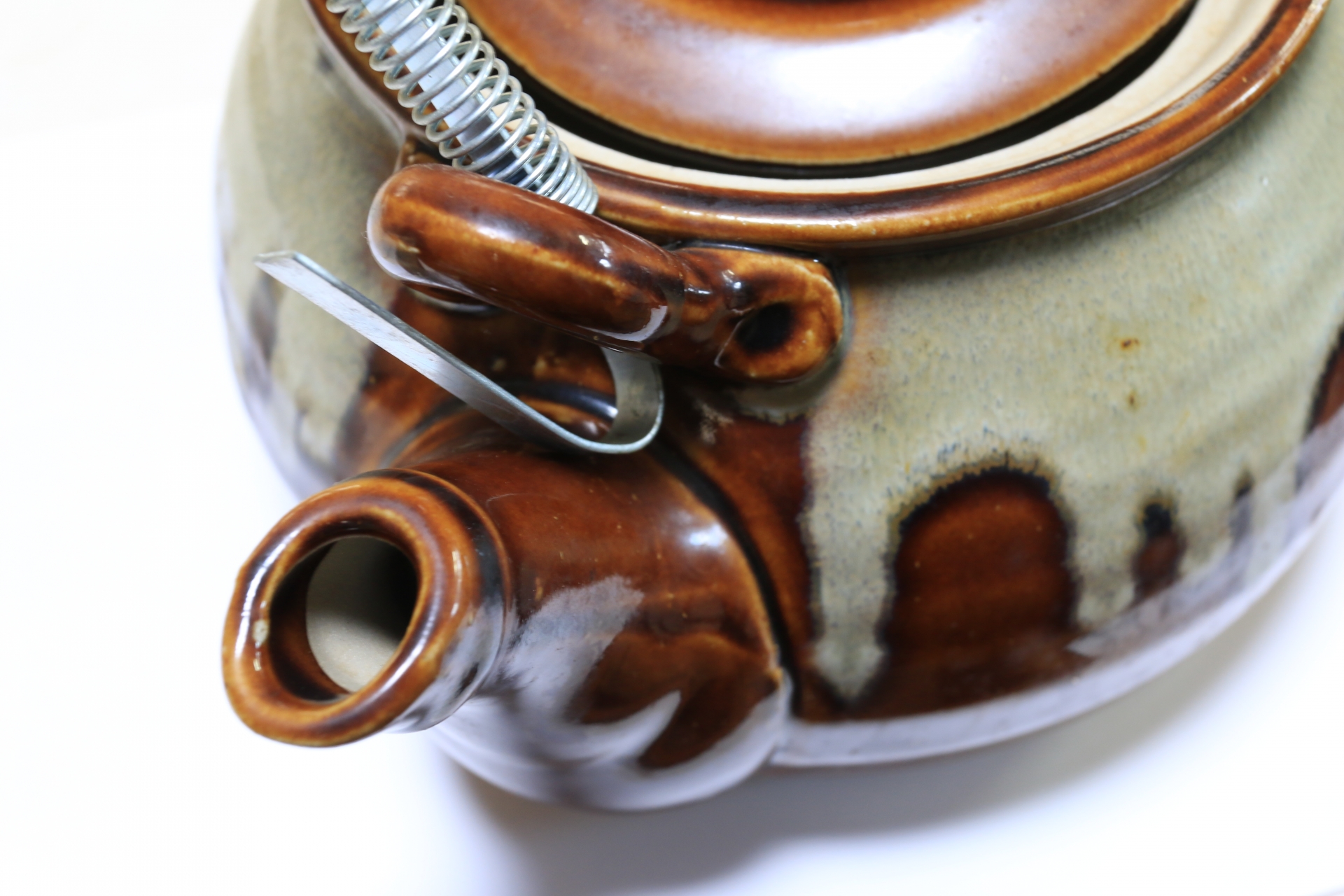

Deep-steamed green tea has finely ground tea leaves, which can easily clog the teapot's strainer. However, using a teapot specifically designed for deep-steamed green tea can prevent this clogging.
Additionally, proper teapot maintenance can remove tea stains and tea leaf buildup.
Deep-steamed green tea is made by steaming the tea leaves for a long time, which brings out its rich flavor and depth.
However, the manufacturing process makes the tea leaves easily break down into small pieces, which can clog the teapot's strainer.
Choosing a teapot for deep-steamed green tea
If you're going to drink deep-steamed green tea, it's recommended to choose a teapot specifically designed for it. These teapots have a large mesh filter that allows tea leaves to pass through easily, making them less prone to clogging
Teapot care
If tea leaves get stuck in the teapot's strainer, you can clean it using the following method
1) Pour in boiling water: Pour in boiling water, letting the tea leaves float and then drain
2) Using baking soda: Soak the tea leaves in hot water with baking soda dissolved in it, allowing them to float
3) Use bleach: Soak the tea leaves in hot water with oxygen-based bleach dissolved in it, allowing them to float
4) Use a toothbrush: Gently scrub the mesh with a toothbrush you haven't used before to remove any tea leaves
Use a cleaning agent: Wash thoroughly using a cleaning agent
others
Deep-steamed green tea has finely ground tea leaves, so using a teapot with a fine mesh filter can easily cause clogging.
When drinking deep-steamed green tea, it is recommended to use a teapot specifically designed for it.
Regular maintenance of your teapot will prevent tea stains and tea leaf clogging. For
everyday maintenance, simply rinsing with water or lukewarm water is sufficient.
If tea stains or tea leaf clogging are severe, using baking soda or oxygen-based bleach can be effective.
If using a cleaning agent, rinse thoroughly and dry before use
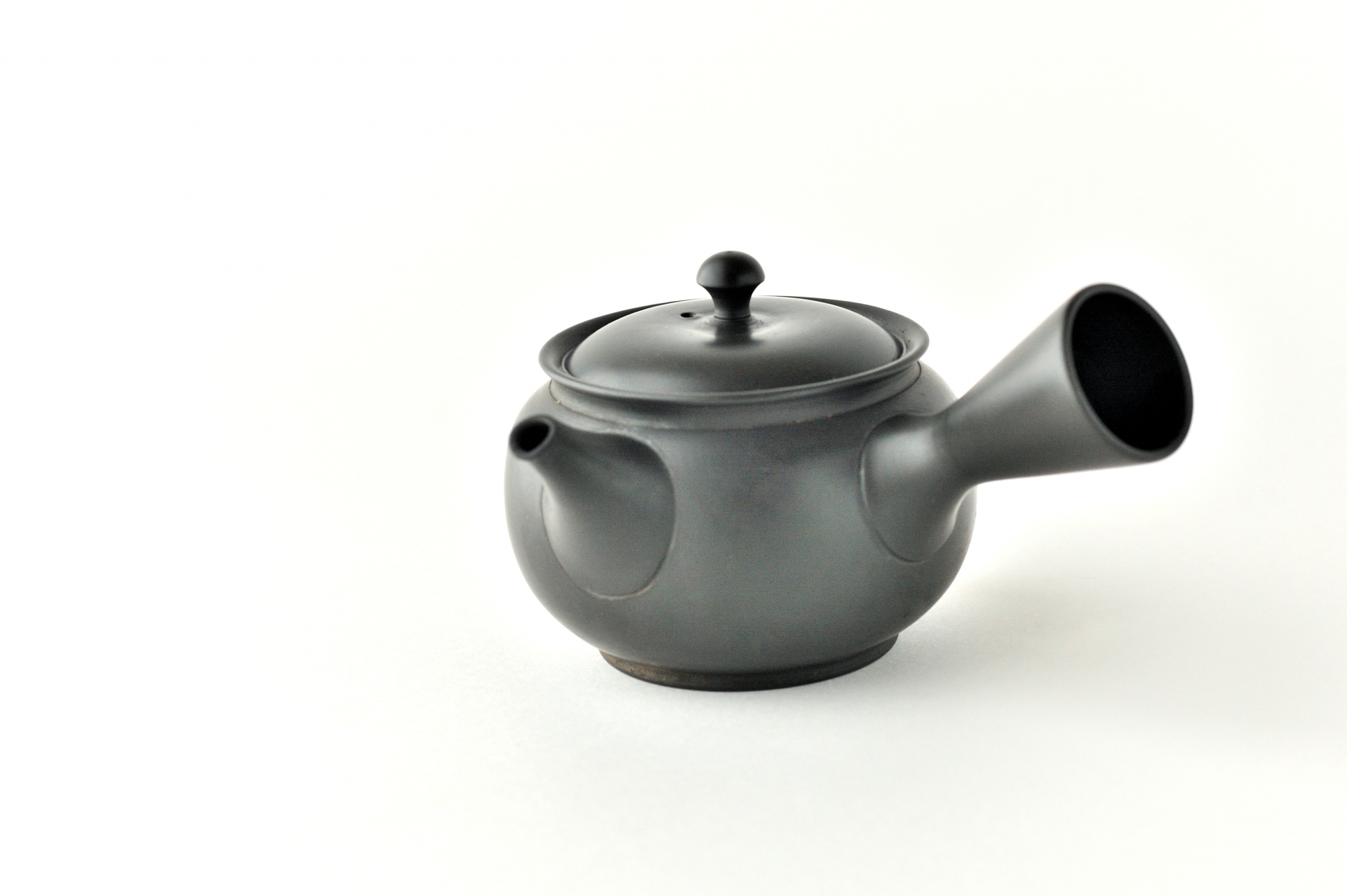
 Teapot, Tokoname ware, Horyu, Black, 420cc, Black, Tokoname ware, Strainer