PR/This site uses an affiliate program
Ninomaru Tea House Event Information!


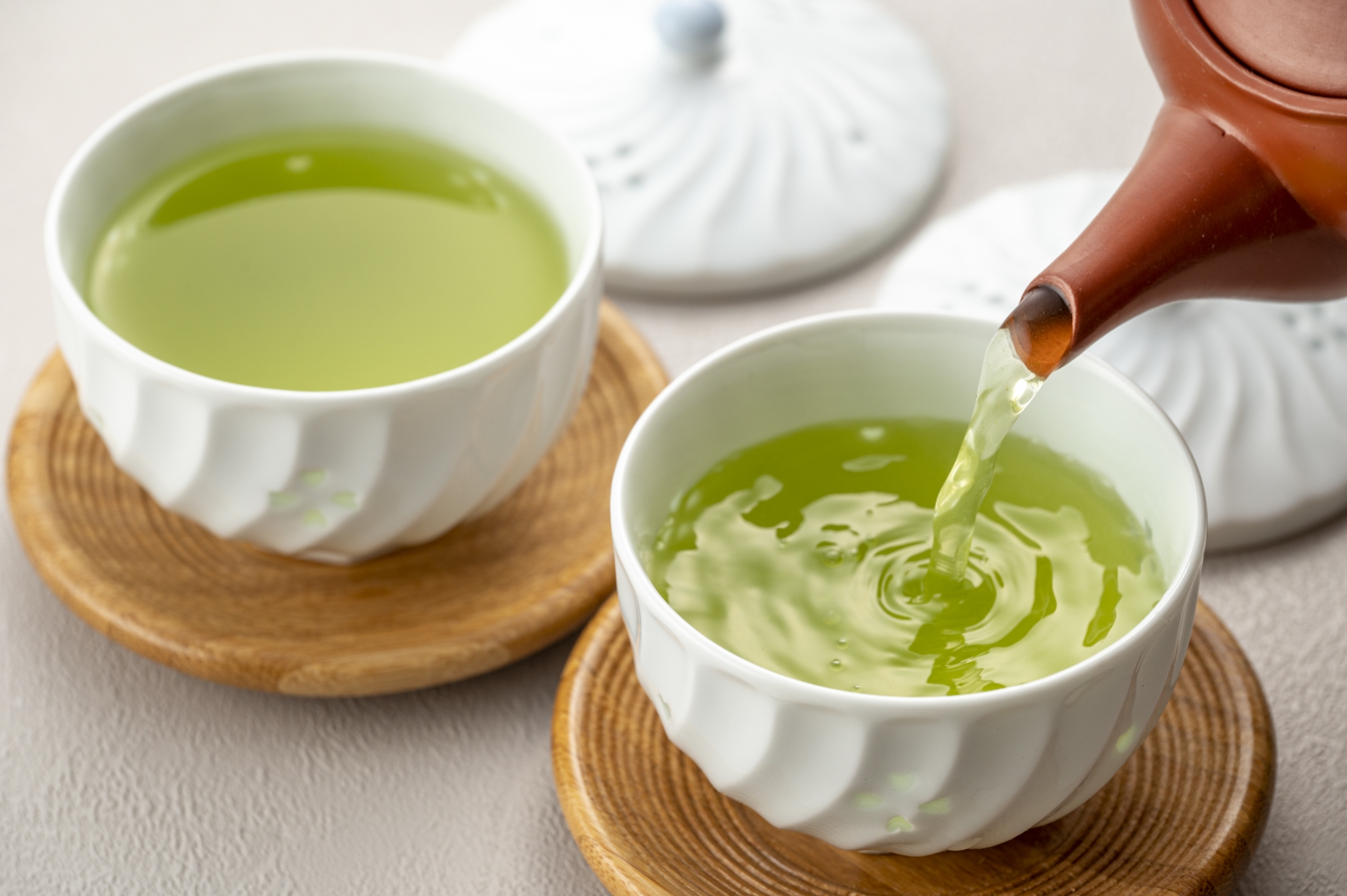
"Yabukita" is the most common variety of green tea in Japan. Its strong cold resistance and high yield make it easy for producers to cultivate.
Furthermore, when processed into sencha (green tea), it produces tea with a good balance of flavor and aroma, resulting in consistently high-quality tea.
The creator of the "Yabukita" tea variety was Hikosaburo Sugiyama (1857-1841), a man from Shizuoka Prefecture. In 1908 (Meiji 41),
he cultivated a bamboo grove on his property in front of the Tsushima Shrine in Nakayoshida, Udo Village, Udo District, Shizuoka Prefecture (present-day Nakayoshida, Suruga Ward, Shizuoka City, Shizuoka Prefecture) and created a tea plantation.
In comparative tea cultivation trials at the Shizuoka Prefectural Agricultural Experiment Station, "Yabukita" received high praise and was designated as a recommended variety in Shizuoka Prefecture in 1945.
In 1953, it became a registered variety with the Ministry of Agriculture, Forestry and Fisheries. This led to the widespread adoption of "Yabukita" throughout Japan.
With its balanced sweetness, umami, and refreshing astringency, it's a flavor that appeals to many.
Due to its excellent characteristics, "Yabukita" is such a popular variety that it accounts for about 80% of Japan's tea production.
ColorMeShop will now be able to accept orders from overseas starting July 22nd, thanks to the use of Zen Shop's services
"Asatsuyu" is a rare green tea variety mainly produced in Kagoshima Prefecture, and is also known as "natural gyokuro." It is also produced in a small area of Kakegawa.
It is characterized by its strong umami and sweetness, with little astringency and a mellow taste. It is also a vibrant green tea and is popular with women.
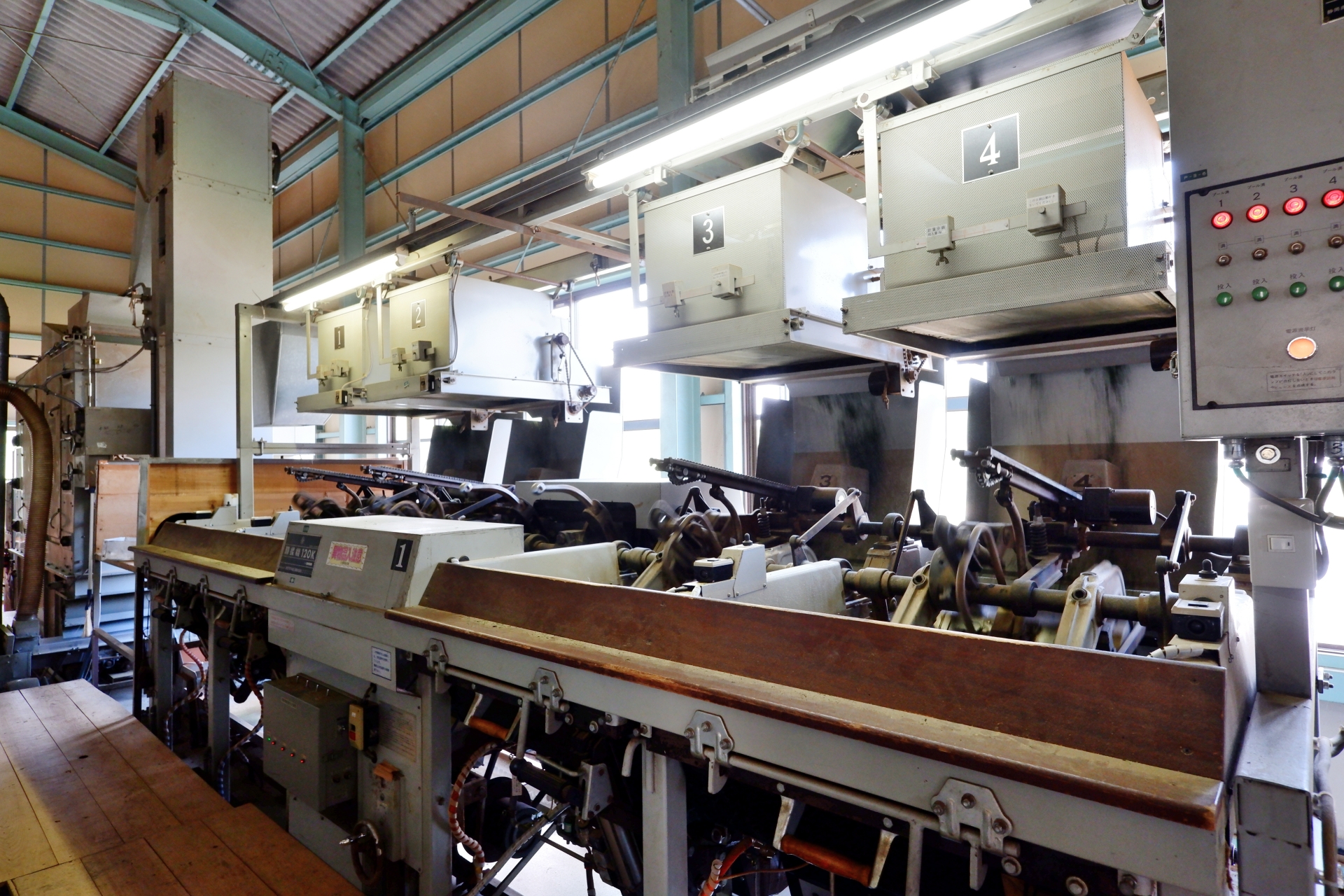
Strong umami and sweetness:
It has a high content of theanine (an amino acid) and a low content of catechins, resulting in a mellow flavor.
Less astringency:
Because it contains less catechin, it has less astringency and is easy to drink.
Vibrant green color:
Covering the tea plantation for several days before harvesting brings out the greenness and flavor of the tea leaves, resulting in a vibrant green color.
A rare variety:
It accounts for only about 1% of the national production, and requires considerable effort to cultivate and manage. This is why it is considered a rare variety.
The reason it's called "natural gyokuro":
Because it has a strong umami and sweetness and little astringency, giving it a taste similar to gyokuro, it's also known as "natural gyokuro."
"Tsuyuhikari" is a green tea variety developed in Shizuoka Prefecture. The Shizuoka Prefectural Tea Research Station crossbred "Shizu 7132" as the mother plant with "Asatsuyu" as the father plant. It was registered as a variety in 2000
This tea is characterized by its vibrant green color, strong sweetness and umami, and low astringency. It is also known as an easy-to-grow variety with high disease and cold resistance.
While it is cultivated in Kakegawa, Omaezaki City in Shizuoka Prefecture, adjacent to Kakegawa City, is particularly promoting it as a brand, and it is sold in various forms such as tea bags, powder, and PET bottles.
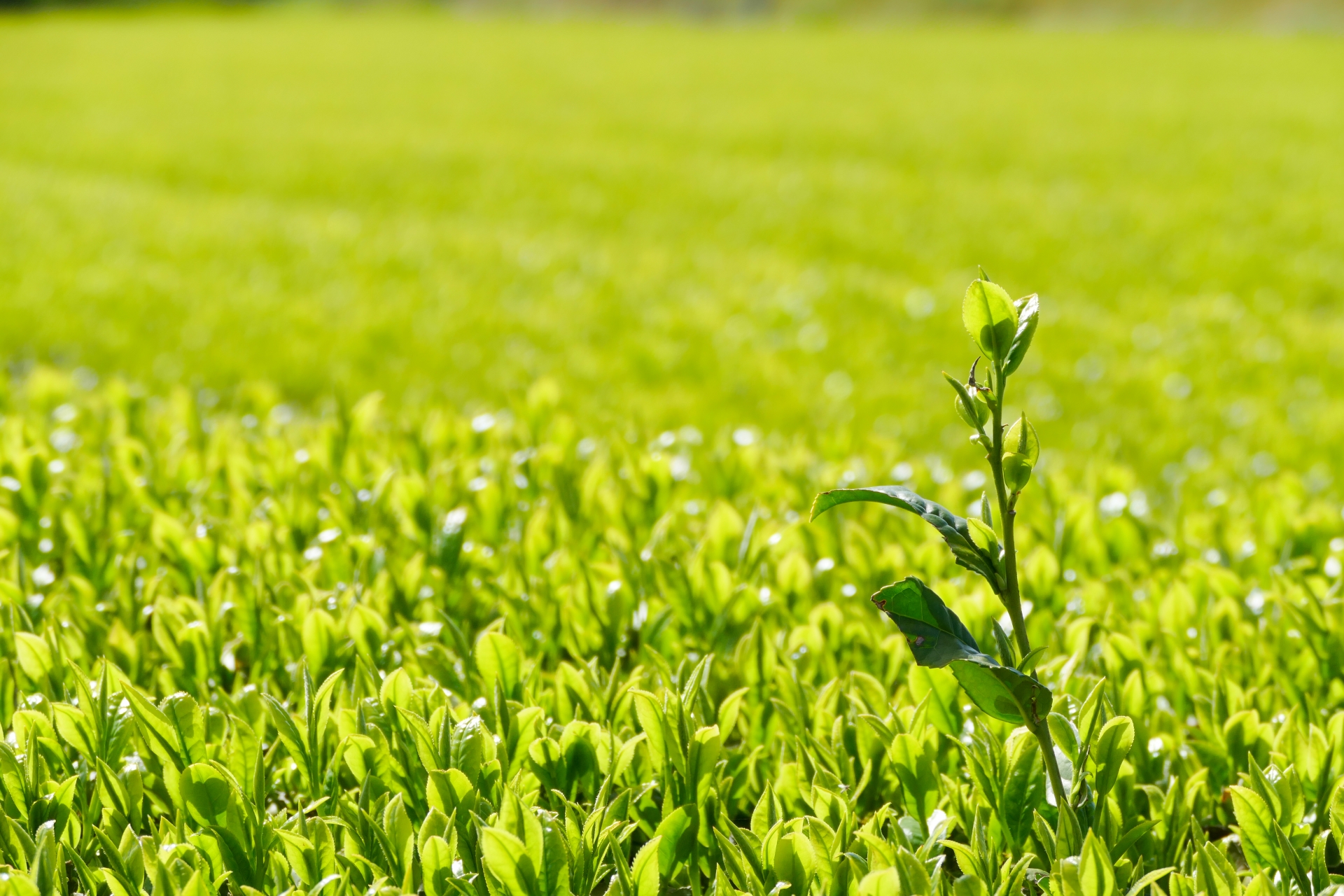
Low bitterness and astringency:
Because it has low bitterness and astringency, it is a variety that can be enjoyed by a wide range of people.
Delicious even when brewed with cold water:
Brewing it with cold water to make iced tea brings out even more sweetness, so we highly recommend it.
Can be used in cooking and baking:
The powdered "Tsuyuhikari" can also be used in cooking and baking.
Perfect for cold tea:
Because it has little bitterness, it's easy to drink even when served cold.
Refreshing aroma:
It has a subtle scent reminiscent of cherry leaves, and pairs well with sweets.
Early-ripening variety:
This is the earliest harvested new tea among the new teas produced in Shizuoka Prefecture.
"Saemidori" is a variety of Japanese tea, characterized by its particularly vibrant green color and refined umami flavor. It is
a hybrid variety created by crossing Yabukita and Asatsuyu, and is known for its high quality despite being an early-ripening variety.
As its name suggests, "Saemidori" has tea leaves with a bright, vivid green color.
is also characterized by its low astringency, rich umami flavor, and elegant aroma.
For this reason, it is popular not only as sencha and gyokuro, but also for blending. It
is mainly cultivated in southern Kyushu, centered in Kagoshima Prefecture, but in recent years it has also been cultivated in Shizuoka Prefecture and the Kinki region.
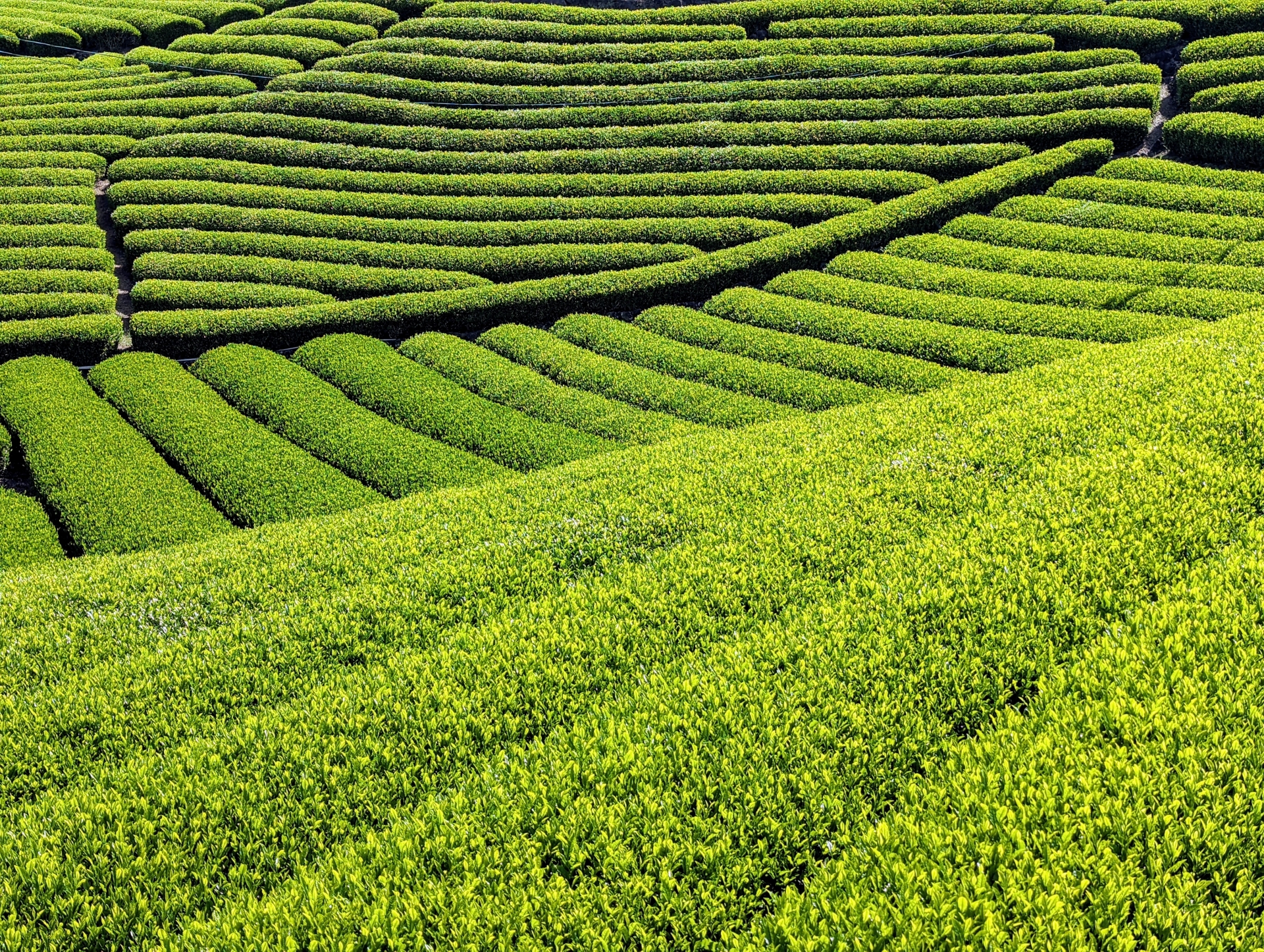
Color: Bright and vivid green
Aroma: Elegant fragrance
Flavor: Low astringency, rich in umami
Early-ripening variety: Harvested early
Uses: Sencha, Gyokuro, blends
"Saemidori" is a popular variety not only among Japanese tea enthusiasts but also among those who dislike bitterness, due to its excellent quality and easy drinkability
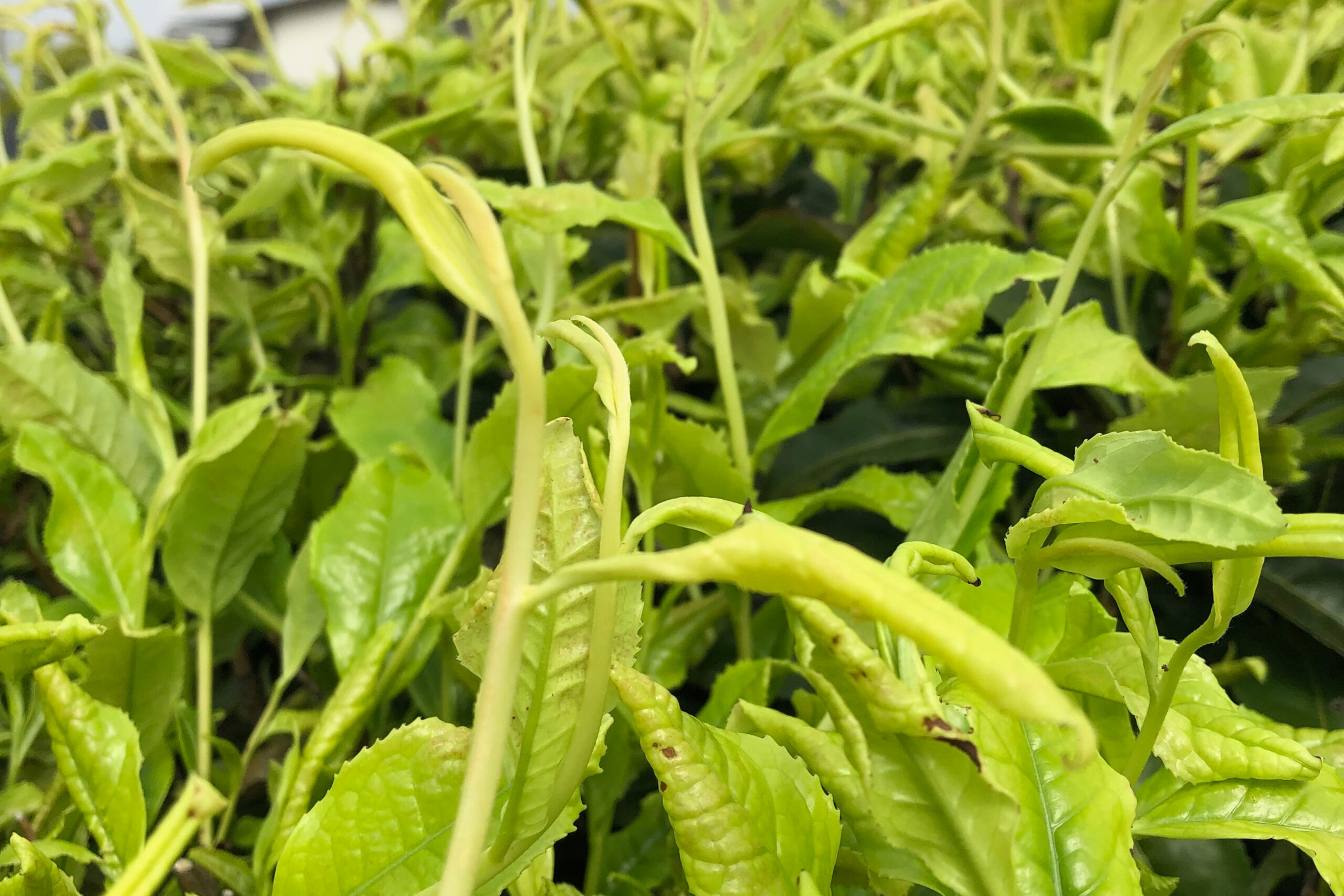
This is a rare tea with white leaves. Covered tea refers to tea grown by covering the tea plantation when the new shoots first begin to emerge
White leaf tea, in particular, is grown with 99.99% of sunlight blocked.
Completely blocking sunlight not only makes the leaves white, but also increases the amount of amino acids that give tea its umami flavor to three times that of regular tea and twice that of gyokuro (high-grade green tea).
The flavor is deeply distinctive, sometimes described as being like drinking dashi (Japanese broth), and the liquor has a golden, slightly brownish, sepia-toned color.
It has little astringency and a chestnut-like sweetness. A slight astringency and a deep, rich flavor.
A very unique tea with a clean finish and a lingering aftertaste.
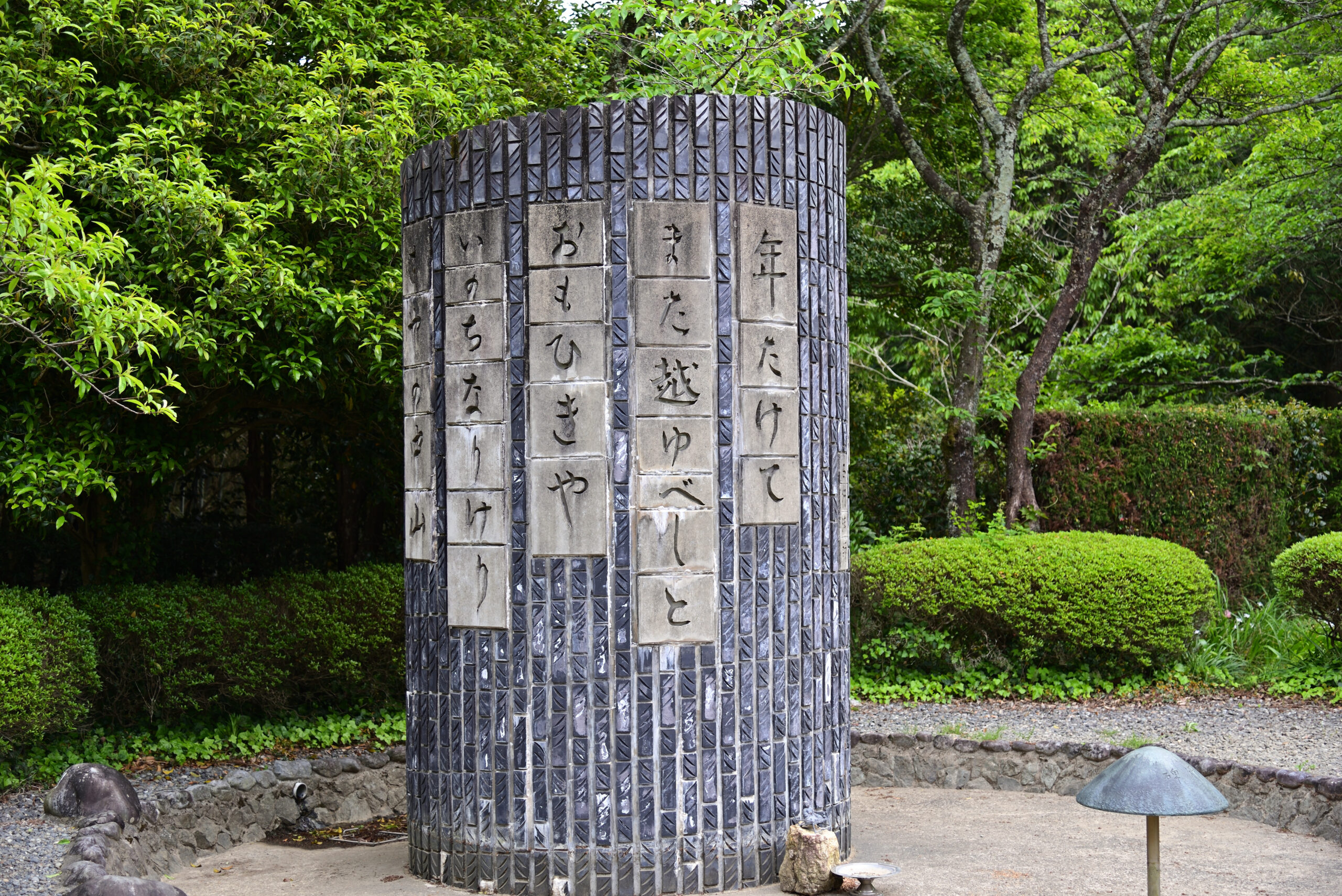
The Mihayashi Tea Growers' Cooperative is located in a naturally rich environment south of Mt. Awagatake in the northeastern part of Kakegawa City, Shizuoka Prefecture.
It is a small factory operated by eight tea farmers, cultivating the Yabukita variety as well as the Saemidori, Tsuyuhikari, Asatsuyu, and Okumidori varieties.
Furthermore, the Goryo-Hayashi Tea Growers' Association is located at the western foot of Mt.
Sayo-no-Nakayama, considered one of the three most difficult passes (mountains) on the Tokaido road. It is situated at the foot of the mountain near Nissaka-juku, the 25th post town on the Tokaido Fifty-three Stations.
Because it is surrounded by mountains, there is no flat land, and the association's tea factory is built on one of the few flat areas, in a remote location where large heavy machinery cannot be brought in.
Due to the small production volume and limited retail sales, and because it is sold by reservation only, the deep-steamed tea directly sold by the Goryo-Hayashi Tea Growers' Association is rarely available and is considered a rare and elusive tea.
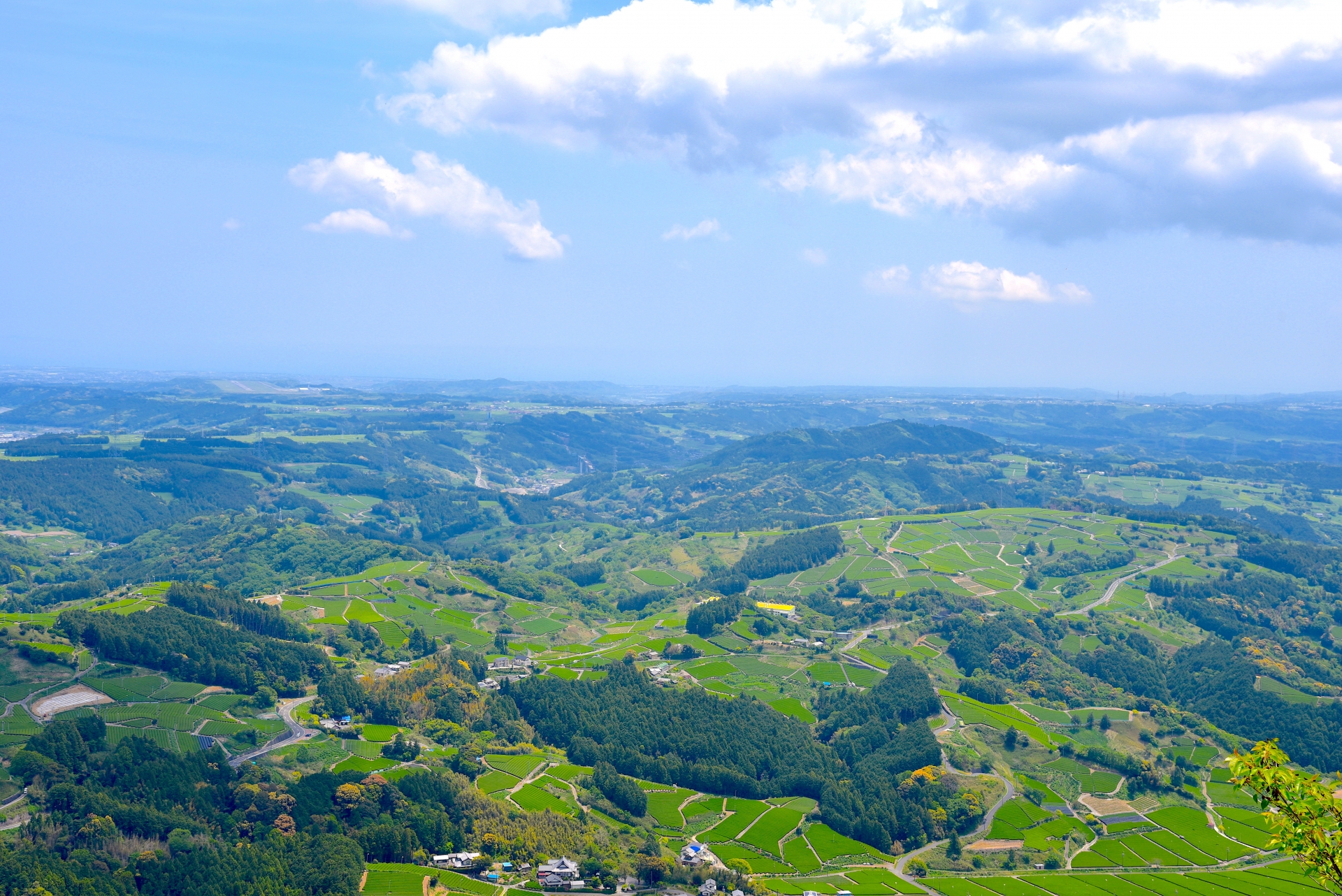
The birthplace of the Chagusaba farming method is the Higashiyama district of Kakegawa City, Shizuoka Prefecture.
The tea produced there is of the Yabukita variety. Tea grown in this region is highly prized as Kakegawa tea, often sold under product names such as Higashiyama tea.
While not widely available nationwide, it is relatively easy to find as a high-quality tea at tea shops and souvenir stores within Kakegawa City.
Copyright © KAKEGAWAcha.com 2025

